Corporate Learning
Industry-Focused CQI-17 Soldering System Assessment Programme at Avalon Technologies, Bangalore
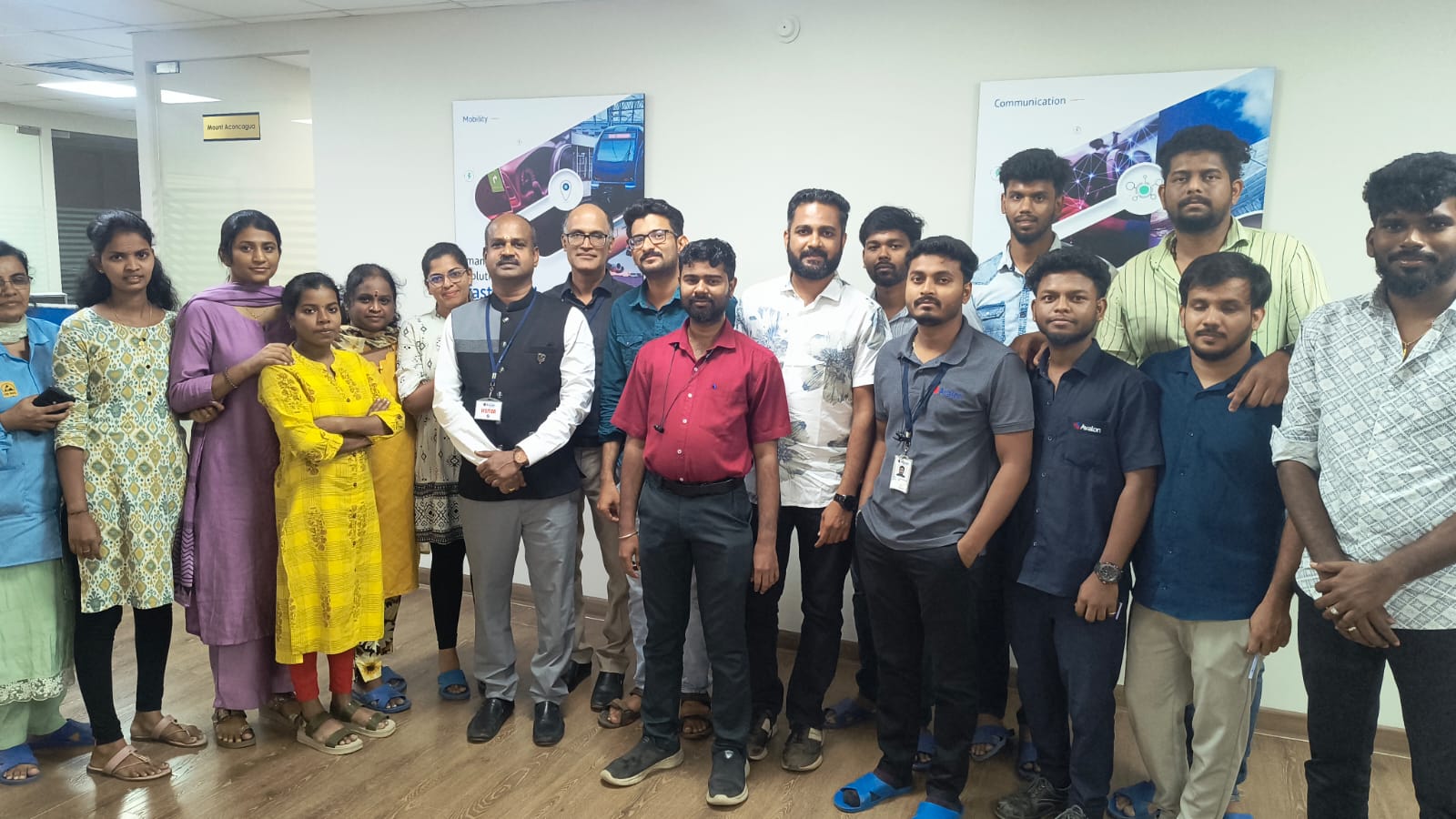
CQI-17 Soldering System Assessment Training at Avalon Technologies, Bangalore
Introduction
About CQI-17 Soldering System Assessment
Importance of Soldering System Assessment
Industry Relevance
Automotive Electronics
Aerospace & Defense
Medical Devices
Consumer Electronics
Key Topics Covered During the Training
Case Study and Practical Insights
Practical Learning Focus
Role of Process Audits in Manufacturing Excellence
Learning Outcomes
Process Understanding
Audit Readiness
Defect Prevention
Conclusion
Driving Quality Through Process Excellence
CQI-17 Soldering System Assessment Training at Avalon Technologies, Bangalore
Advanced industry-focused training session conducted by
Dr. Gopal Sivakumar and
Mr. Vinod Sankaran
Introduction
Avalon Technologies, Bangalore, successfully organized an intensive training programme on
CQI-17 – Soldering System Assessment (SSA), conducted by
Dr. Gopal Sivakumar and
Mr. Vinod Sankaran. The session focused on strengthening soldering process controls, improving product reliability, and ensuring compliance with global quality standards followed in the electronics manufacturing industry. The programme provided participants with practical insights into soldering process management, defect prevention, risk mitigation, process audits, and system-based quality improvement approaches aligned with CQI-17 requirements.
About CQI-17 Soldering System Assessment
CQI-17 is a globally recognized special process assessment guideline developed to evaluate and improve soldering systems in manufacturing industries. It helps organizations establish standardized controls for soldering operations to ensure consistency, product quality, and process reliability.
Key Objective:
CQI-17 focuses on minimizing soldering defects, improving process capability, and ensuring robust manufacturing systems for high-reliability electronic assemblies.
Importance of Soldering System Assessment
Soldering is considered one of the most critical special processes in electronics manufacturing. Since solder joint quality directly impacts product performance and reliability, organizations must establish strong process controls and monitoring systems.
Improves reliability of electronic assemblies
Reduces rework and field failures
Enhances customer confidence and compliance
Supports process standardization and traceability
Minimizes manufacturing variation and defects
Strengthens audit readiness and quality assurance
Industry Relevance
CQI-17 has become increasingly important in industries where electronic reliability is critical. The training highlighted how soldering system assessments are widely adopted across sectors such as:
Automotive Electronics
Ensuring reliability of ECUs, sensors, and electronic control systems.
Aerospace & Defense
Maintaining high-quality soldering standards for mission-critical applications.
Medical Devices
Supporting precision and reliability in healthcare electronics.
Consumer Electronics
Reducing failures and improving product durability in mass production.
Key Topics Covered During the Training
Introduction to CQI-17 framework and requirements
Soldering process controls and documentation
Risk analysis and defect prevention methods
Operator qualification and competency management
Process parameter monitoring and validation
Internal audit methodology for soldering systems
Corrective and preventive action systems
Continuous improvement in manufacturing processes
Case Study and Practical Insights
During the programme, participants were exposed to industry-oriented examples and case study discussions that demonstrated how ineffective soldering controls can result in product failures, warranty claims, customer complaints, and increased production costs. The trainers explained how implementing structured process controls, operator training, and systematic audits can significantly reduce defects such as cold solder joints, bridging, insufficient solder, and reliability-related failures.
Practical Learning Focus
The training emphasized real-world manufacturing challenges and encouraged participants to adopt proactive quality control methods instead of relying only on inspection-based detection.
Role of Process Audits in Manufacturing Excellence
One of the major highlights of the session was the importance of process audits in achieving operational excellence. CQI-17 assessments help organizations identify process gaps, improve system discipline, and build sustainable quality systems across manufacturing operations. Participants understood how process-based thinking and systematic auditing contribute to higher productivity, lower rejection rates, and improved customer satisfaction.
Learning Outcomes
Process Understanding
Participants gained clarity on soldering system requirements and process controls.
Audit Readiness
The training improved awareness on conducting effective internal process audits.
Defect Prevention
Participants learned approaches to reduce soldering defects and improve reliability.
Conclusion
The CQI-17 Soldering System Assessment training conducted at
Avalon Technologies, Bangalore, by
Dr. Gopal Sivakumar and
Mr. Vinod Sankaran, provided valuable industry-focused learning for professionals involved in electronics manufacturing and quality systems. The session successfully combined technical knowledge, process audit concepts, and practical manufacturing insights to help participants strengthen process reliability and quality excellence in modern industrial environments.
Driving Quality Through Process Excellence
Strong soldering systems, disciplined process control, and continuous improvement are essential for achieving manufacturing reliability and customer satisfaction.